

RESURRECTION WEEK DEVOTION: 7 DAYS. 7 REFLECTIONS. 1 ETERNITY-SHAKING RESURRECTION!
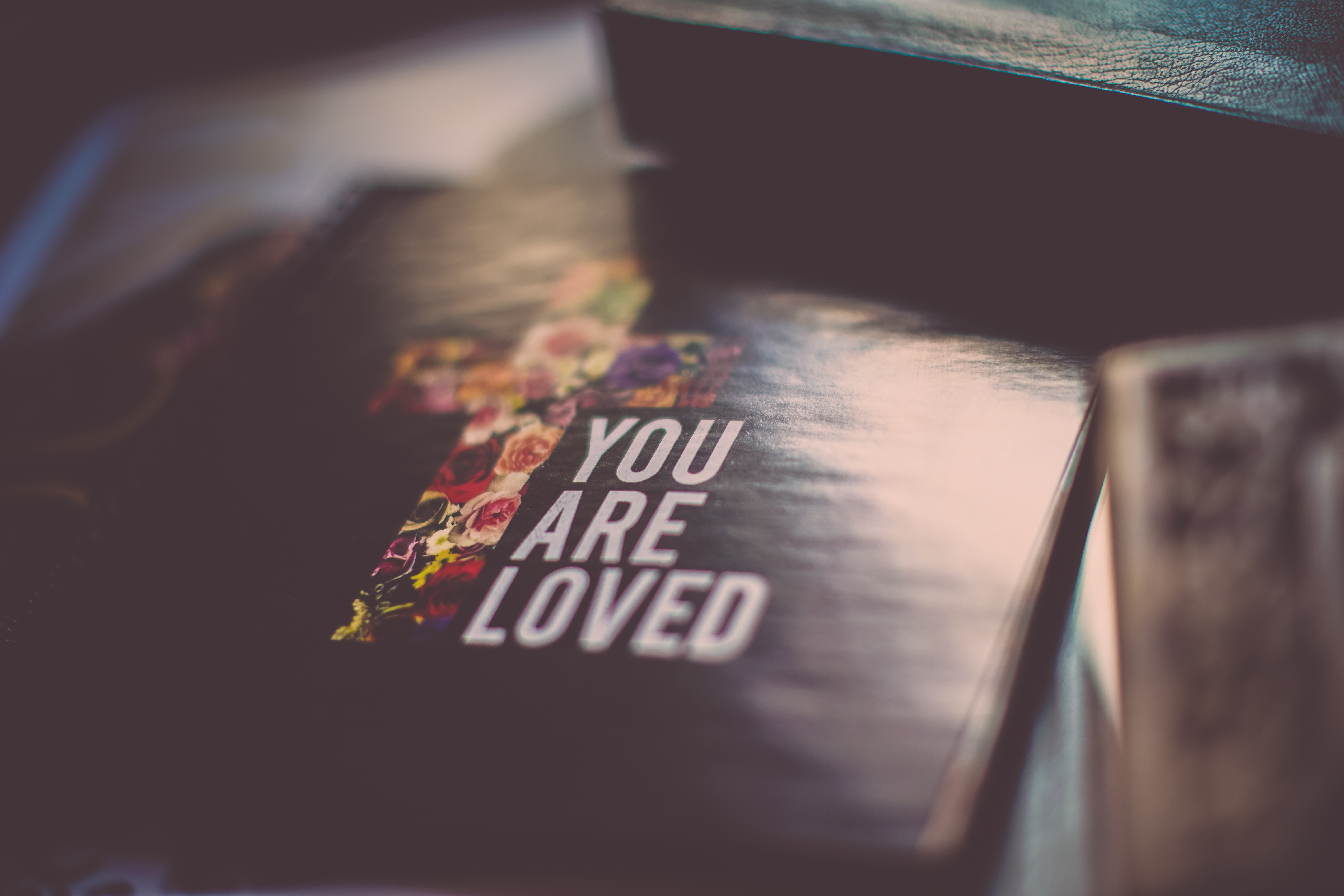
I doubt I could walk one metre — home, shops, driving — without there being some symbol or brand staring at me.
They all say something to convey a meaning: Some for selling, others warning, a few for contemplating.
When I see a cross, especially associated with a place of worship, Jesus isn’t always the first thought that comes to mind. I might see that symbol as a form of branding for a religious institution, or even something dual-purposed as a mobile phone reception tower these days.
In the early church, the ‘cross’ symbol was not the first identifier for believers. But even when it did become more noticeable, it’s likely the image was more of a ’T’, called a ‘Tau Cross’ because of the Greek letter it was likened to. As early as the Second Century, Christian author Tertullian remarked that the Greek and Roman letter T were close enough to resemble the symbol of execution of Jesus (recorded in his work, Adversus Marcionem).
The cross itself, that structure of murderous torture, proved to be a junction point for humanity; an intersection that forces a divide between 1) a direction serving Jesus and 2) every other path.
For two men that day, the death of Jesus was an intersection that divided their lives for eternity.
Both rich, privileged and important in their day, Joseph and Nicodemus made the same choice to walk the way of Jesus, even in their grief at His death.
The Bible tells us a lot about their courageous actions that were completely at odds with the mood, views and opinions of their communities. They were, in their moments of public adoration, risking their careers and reputations – likely throwing away such privilege for the sake of being known as walking with Jesus.
In Mark’s Gospel, the writer notes what courage Joseph showed to step forward:
43 Joseph of Arimathea, a respected member of the council, who was also himself looking for the kingdom of God, took courage and went to Pilate and asked for the body of Jesus.
Mark 15:43 ESV
And by Joseph’s side was the same leader who had once asked privately how to be saved.
39 Nicodemus also, who earlier had come to Jesus by night, came bringing a mixture of myrrh and aloes, about seventy-five pounds in weight.
John 19:39-40 ESV
40 So they took the body of Jesus and bound it in linen cloths with the spices, as is the burial custom of the Jews.
We often look at the words of a criminal as a symbol of salvation associated with the death of Jesus on a cross. But it’s the courage and actions of two rich men that complete the picture. In these moments, the two ends of society — despised and adored — make their decisions to come close to Jesus. And when the rich men enter the tomb with His lifeless body, they honour Him as a King, bestowing abundant burial aromatics to fulfill the words of a Messianic-inspired Psalm of old King David:
‘your robes are all fragrant with myrrh and aloes and cassia.
Psalm 45:8 ESV
From ivory palaces stringed instruments make you glad;’
Today is a crossroads again, marking the sacrifice that Jesus made for all our sakes. Everybody comes to this T-intersection at some point. Which way will you go?
For a full breakdown of the week leading to the Resurrection of Jesus, see this table provided by the team who brought us the English Standard Version of the Bible: https://is.gd/olgMH0
 Paul Gallagher
Leave a comment